Why Hearing Is the Number-One Claim in the VA System — and What That Means for the Veteran Next Door
In the VA's annual benefits reporting, tinnitus ranks first and hearing loss fifth among all service-connected disabilities. More than 3.2 million veterans receive compensation for tinnitus and more than 1.5 million for hearing loss. Those are not niche figures. In a VFW post of two hundred members, the arithmetic says a large share of the room is living with one or both.
The reason is structural rather than incidental. Impulse noise from weapons, sustained noise from aircraft and armor, engine rooms, generators, and flight lines all sit well above the exposure levels that damage hair cells, and hearing conservation programs were uneven for much of the period today's veterans served in. Damage accumulates quietly; the veteran often notices the tinnitus first and the hearing loss years later, usually because a spouse points it out.
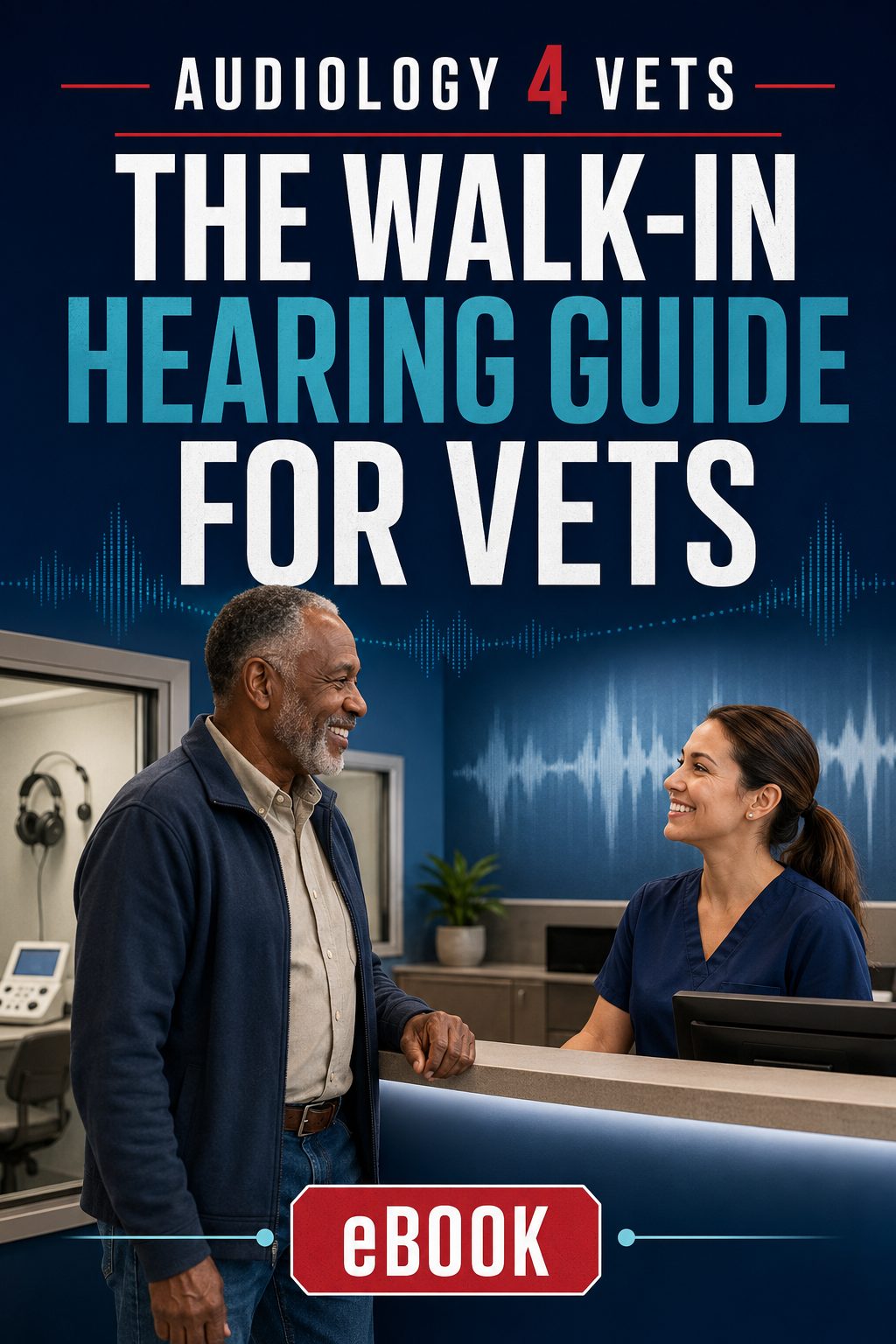
What that prevalence should change is how communities respond. A screening is a fifteen-minute conversation, not a medical event, and it is the step that converts a vague suspicion into a documented threshold. From there a veteran has something to take to VA audiology — and something a claim can be built on if the exposure is service-connected.
Sources: Hearing Health Foundation — veterans; VA Research — hearing loss fact sheet